SEC Initiates Formal Discussions on the Future of 24-Hour Equity Trading
The SEC has announced a roundtable, not a rule, market launch, or mandated trading schedule.
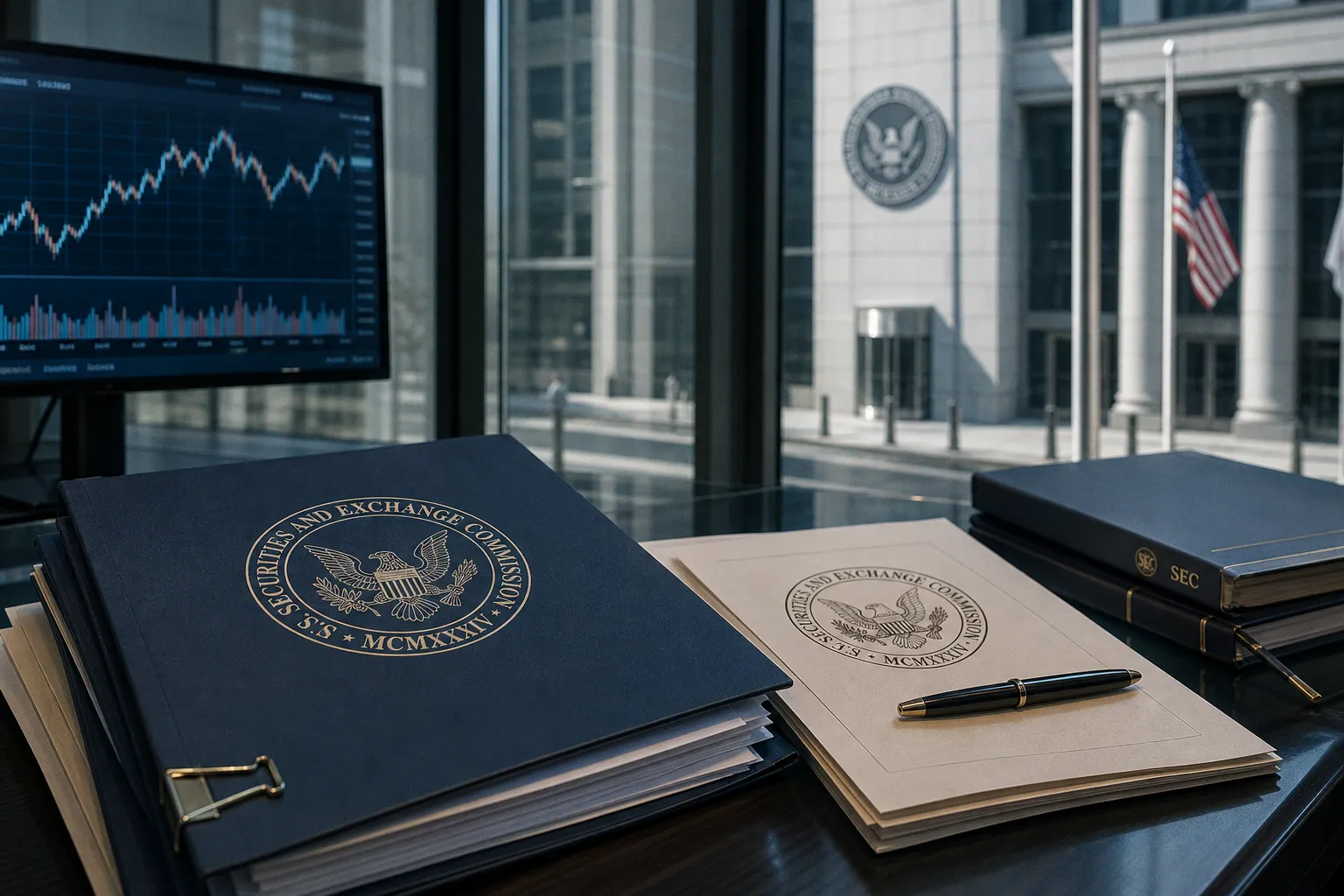
According to the SEC, U.S. equity markets are moving into a formal discussion phase on 24-hour trading. The Commission will host a roundtable on September 17, 2026, focused on preparations for overnight trading, market operations, and resiliency. For long-term investors, the immediate change is zero; the relevant signal is that market infrastructure—not merely broker app features—is now under review.
The date that matters is September 17
Its agenda is explicitly preparatory: how U.S. equity markets could support overnight activity while maintaining operations and resiliency.
That distinction matters for portfolio decisions. A discussion of 24-hour trading does not alter an investor’s current allocation, account terms, or execution process.
The practical read-through:
- No new trading requirement has been announced. Investors do not need to change how they place orders today.
- No fee structure is in the announcement. Commission, spread, and execution-cost questions remain outside the confirmed details.
- No timetable for implementation has been provided. The roundtable is a policy and market-structure step, not a launch calendar.
Overnight access is becoming a market-structure question
The SEC’s focus on operations and resiliency puts the emphasis where it belongs: whether a longer trading window can function reliably, rather than whether it simply creates more hours to transact.
For individual investors, the core issue is execution quality. If 24-hour trading advances, the relevant questions will be mechanical: when orders can be entered, how they are handled overnight, what information brokers provide about execution, and whether account documentation changes.
Those details are not yet available. The disciplined response is to avoid treating an extended market schedule as an investment thesis. More trading availability does not, by itself, create a better return profile.
There is a related international signal. MSN reports that the London Stock Exchange is set to launch overnight trading in 2027. That report does not establish how the U.S. market will proceed, but it places the SEC’s discussion within a broader shift toward longer equity-market operating hours.
What to monitor before changing any process
The roundtable should be read as an early diligence point. Investors using limit orders, systematic contributions, or broker-provided extended-hours access will want to watch for concrete changes after the SEC’s meeting—not headlines about 24-hour trading alone.
The highest-value items to track are straightforward:
- any SEC follow-up on operational standards or resiliency;
- broker notices on overnight order handling and account terms;
- disclosures on execution conditions and trading costs;
- a defined implementation timeline, if one is proposed.
Risk assessment: currently low for a buy-and-hold portfolio because no rule, launch date, or investor-facing terms have been announced. The risk rises only when market structure becomes broker policy—when the fine print specifies how overnight orders are priced, executed, and supported.