Fed flags tariffs, Iran war, AI as inflation risks
3.5%–3.75% remains the Fed’s policy range after its June 16–17 meeting, according to reported minutes, but the signal is not neutral: officials flagged tariffs, Middle East tensions tied to the Iran war, and AI-driven demand as inflation risks.
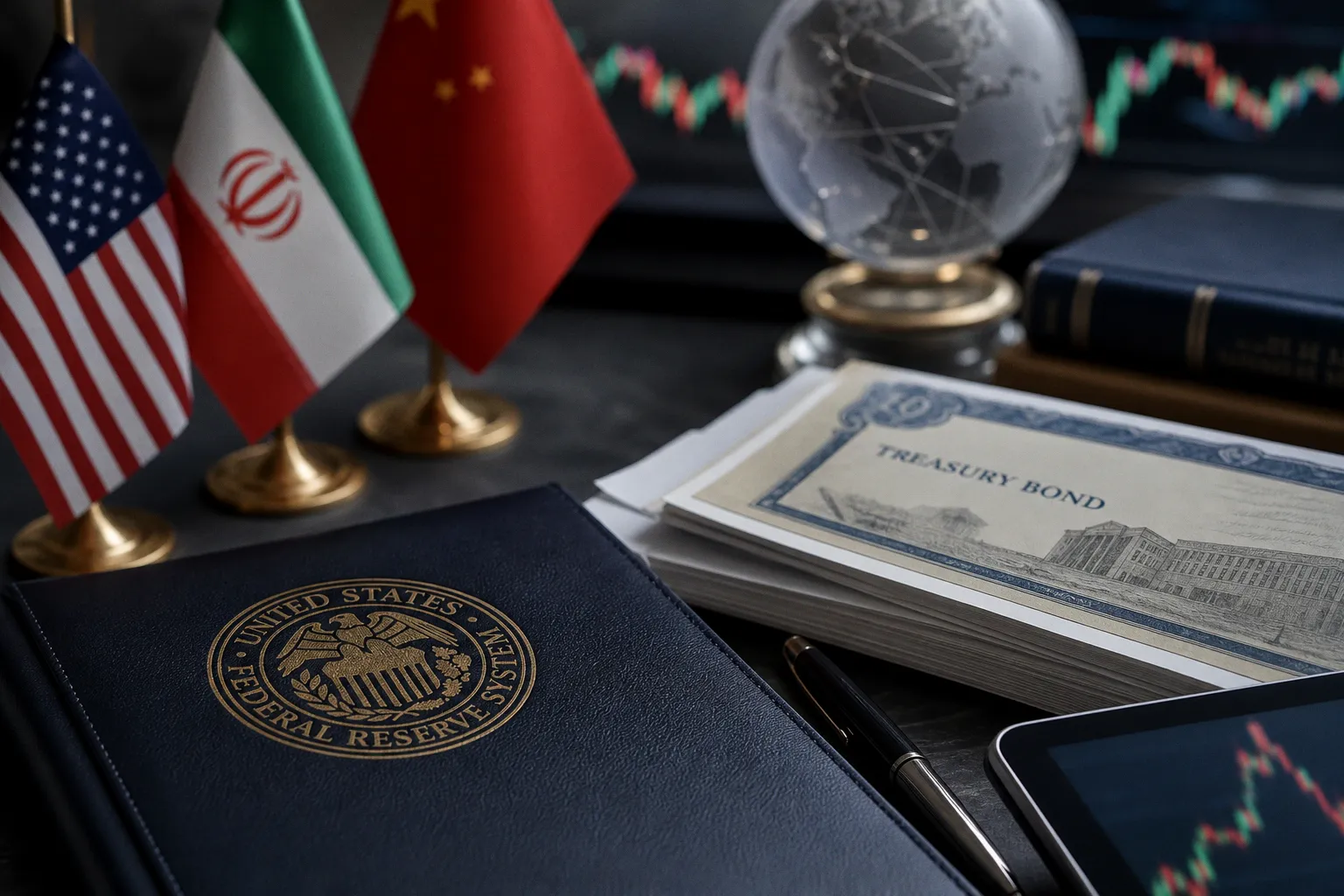
Inflation risk is not coming from one channel
The reported Fed minutes point to a broader inflation map than the usual labor-and-services discussion. Officials kept rates unchanged, but highlighted several pressure points:
- tariff effects that can feed into prices;
- strong artificial-intelligence investment and AI demand;
- geopolitical tension in the Middle East, including the Iran war;
- divergent views among policymakers on the path ahead.
That combination matters because it can delay the clean “rates fall, bonds rally, risk assets reprice higher” playbook. When inflation drivers are mixed — policy, energy/geopolitics, and capital spending — the Fed has less room to move mechanically.
For personal portfolios, the key term is duration: longer-dated bonds and bond funds tend to be more sensitive to rate expectations. If the rate path stays uncertain, a laddered approach to cash and fixed income may carry less timing risk than making a single large bet on falling yields.
AI is now a macro variable, not just an equity theme
AI demand is being discussed as an inflation risk, according to the reported minutes. Separately, the Bank of England’s July 2026 Financial Stability Report flagged risks from increased hedge fund leverage in equity markets and narrow market leadership driven by AI-related companies.
That is the sharper market point. AI is no longer only a growth story inside a few stock tickers. It is also part of the inflation, capital-expenditure, and market-concentration discussion.
For investors, the mechanics are straightforward:
- Equity concentration risk: portfolios tracking broad indexes may still carry heavy exposure to AI-related leadership if gains are narrow.
- Leverage risk: hedge fund leverage can amplify selling pressure if positioning turns.
- Valuation risk: AI-related companies can remain strong while still increasing portfolio sensitivity to a single theme.
This is not a call to exit AI exposure. It is a call to audit it. Check whether workplace retirement plans, taxable brokerage accounts, ETFs, and managed portfolios are all leaning into the same factor. Platform selection also matters as retail investors reassess tools, costs, and access; the shift in retail investing platforms beyond trading is part of that broader allocation infrastructure.
What to check before the next rate signal
The immediate risk is not that one Fed meeting changed the market regime. It is that the Fed’s own framing keeps multiple inflation channels alive, while officials reportedly hold different expectations for the remainder of 2026.
For women building long-term wealth, the review should be operational, not reactive:
- Cash: confirm current yields on savings, money-market funds, and Treasury-linked options; do not assume last quarter’s rate is still competitive.
- Debt: review variable-rate credit cards, private loans, and adjustable borrowing before assuming relief is imminent.
- Bonds: check average duration in bond funds; the label “conservative” does not eliminate rate sensitivity.
- Equities: identify overlap across AI-heavy funds, large-cap indexes, and thematic positions.
- Crypto and higher-beta assets: reported analysis noted that tighter policy expectations and reduced risk appetite could weigh on crypto risk assets, DeFi fundraising, and token performance.
Risk assessment: inflation uncertainty is still the base constraint. The Fed held rates, but did not clear the path for easier policy. Until incoming economic data changes that setup, portfolios should be stress-tested for three exposures at once: rates staying higher than expected, AI leadership becoming too narrow, and geopolitical shocks feeding back into prices.